

 Go Back Menu






 Close
Close
Why Antibiotics Should Only Be Used As Prescribed
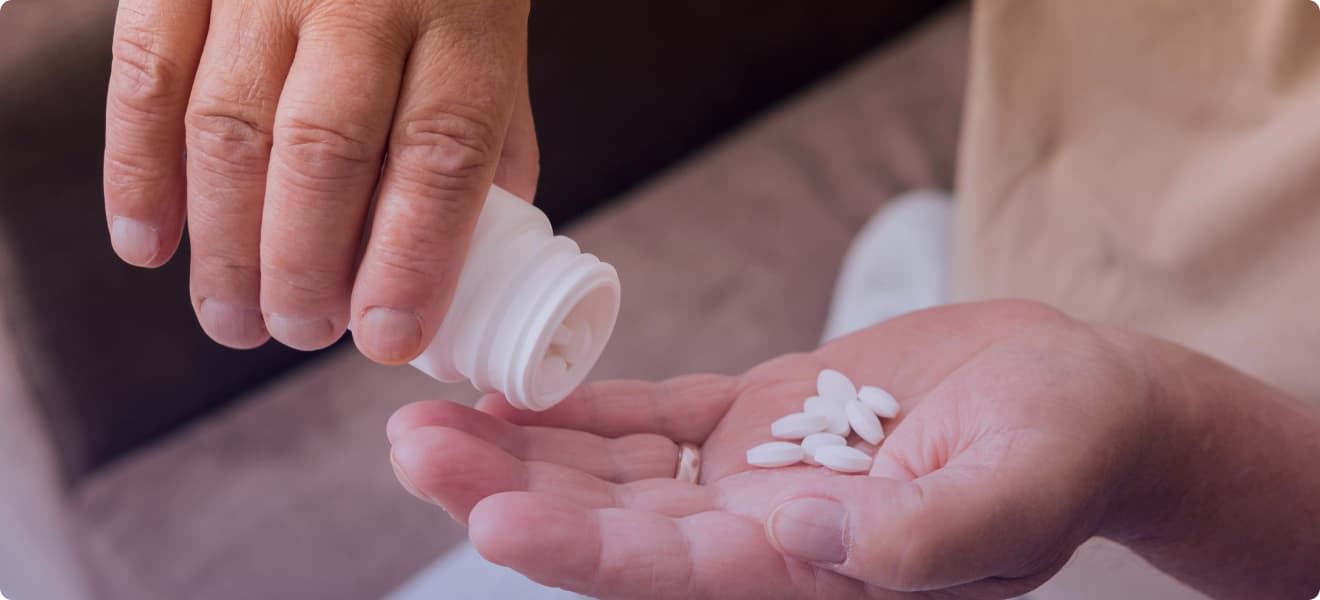


Antibiotics remain one of modern medicine’s most powerful tools, yet misuse continues to threaten their effectivenesstheir effectiveness is under sustained threat from misuse. Understanding the difference distinction between over-the-counter (OTC) drugs, OTC antibiotics, and prescription antibiotics is the first step toward using these medicines responsibly, and toward protecting their effectivenessefficacy for generations to come.
OTC Drugs, OTC Antibiotics, and Prescription Antibiotics: Understanding the Difference
OTC drugs are medicines approved for sale without a doctor’s prescription because regulatory authorities have determined they carry a low risk of harm when used as directed for common, self-limiting conditions. Painkillers, antacids, cough syrups, and multivitamins typically fall into this category. Mankind Pharma’s own consumer healthcare portfolio, spanning brands used for digestive relief, pain management, and everyday wellness, illustrates how OTC products are designed for safe, guideline-based self-use without clinical supervision.
OTC antibiotics, by contrast, are a narrower and more contentious category. In a small number of countries, certain topical or limited-strength antibiotic formulations are technically sold without a prescription. However, in India and most regulated markets, antibiotics are legally classified as prescription-only drugs under Schedule H and H1 of the Drugs and Cosmetics Rules. Despite this, informal OTC-style dispensing of antibiotics remains widespread in practice. A study of community pharmacies in south-central India found that 78% of pharmacies were dispensing antibiotics over the counter, while only 22% dispensed them exclusively against valid prescriptions. Commonly self-dispensed antibiotics included azithromycin, amoxicillin, cefixime, and ofloxacin, several of which belong to the World Health Organization’s “Watch” category and H1 schedule of CDSCO , reserved for infections requiring careful stewardship.
Prescription antibiotics are medicines that can only be legally supplied against only with a qualified physician’s prescription. This requirement exists because antibiotics are not one-size-fits-all: the choice of molecule, dosage, and treatment duration depends on the specific pathogen, the site of infection site, the patient’s medical history, and local resistance patterns. Mankind Pharma’s formulations portfolio includes a wide range of prescription anti-infectives, including cephalosporins, macrolides, and fluoroquinolone combinations, each intended for use under medical supervision rather than self-selection.
The Real Cost of Antibiotic Misuse
The consequences of casual antibiotic usetreating antibiotics casually are neither abstract nor distant. According to the World Health OrganizationOrganisation, bacterial antimicrobial resistance (AMR) was associated with more than 4.7 million deaths globally in 2021, with misuse and overuse of antimicrobials identified as key drivers of resistant pathogens. Independent modelling published in The Lancet paints an even starker long-term picture: annual deaths directly attributable to AMR are projected to rise from 1.14 million in 2021 to 1.91 million by 2050, a 67.5% increase, with a cumulative toll of more than 39 million lives lost to antibiotic-resistant infections between now and 2050.
The same research offers a note of hope: improved access to appropriate healthcare and antibiotics could save an estimated 92 million lives between 2025 and 2050. The distinction between “access” and “excess” is precisely why responsible prescribing and disciplined patient behaviour matter so much.
Awareness gaps compound the problem. The south-central India pharmacy study cited above also found that 82.5% of pharmacists dispensing antibiotics without prescriptions were unaware of antimicrobial resistance as a concept, underscoring that misuse is often driven by a knowledge deficit rather than deliberate negligence.
Why Deviating from a Prescription Undermines Treatment
- Incomplete courses breed resistant bacteria. Stopping antibiotics as soon as symptoms ease, a common practice when medicines are self-administered, allows partially weakened bacteria to survive, adapt, and multiply. These survivors are precisely the strains most likely to develop resistance.
- Wrong antibiotic, wrong infection. Antibiotics treat bacterial infections; they do not affecthave no effect on viral illnesses such as the common cold or most sore throats. Self-medicating with antibiotics for viral symptoms, a pattern well documented in OTC-style dispensing, offers no clinical benefit while still exposing the body’s bacterial flora to selective pressure.
- Dosage and duration are clinically calculated. A physician determines dosage based on the infection’s severity, the patient’s weight, renal and hepatic function, and potential drug interactions. Self-adjusted or borrowed prescriptions bypass this calculation entirely, increasing the risk of both treatment failure and adverse effects.
- Resistance is a shared, not individual, risk. Resistant bacteria do not stay contained to one patient. They spread within families, communities, and healthcare settings, meaning that the misuse of a single course of antibiotics can compromise treatment options for others.
The Manufacturer’s Role in Responsible Antibiotic Use
Pharmaceutical companies carry a dual responsibility: ensuring reliable access to quality-assured medicines while actively discouraging inappropriate use. As one of India’s largest pharmaceutical companies, Mankind Pharma frames this responsibility around its stated commitment to affordability, quality, and accessibility — values that extend beyond simply manufacturing molecules to include patient education on correct usage. This includes clearly differentiating its OTC consumer healthcare range from its prescription-only anti-infective formulations, and supporting the broader public health message that antibiotics are not a substitute for medical consultation.
Practical Guidance for Patients
- Never self-prescribe or share antibiotics with family or friends, even if symptoms appear similar.
- Complete the full prescribed course, even after symptoms subside.
- Avoid pressuring pharmacists or doctors for antibiotics when a viral infection is suspected.
- Dispose of leftover antibiotics safely rather than storing them for future self-use.
- Consult a registered medical practitioner for any suspected infection, however minor it may seem.
Conclusion
The line between OTC drugs, OTC antibiotics, and prescription antibiotics is not a bureaucratic technicality. Itit is a clinical safeguard built on decades of evidence about how bacteria adapt and survive. With global AMR-related deaths already exceeding those from HIV/AIDS and malaria combined in some assessments, and projections pointing toward millions more preventable deaths by 2050, the case for prescription-only antibiotic use has never been more urgent. Choosing to consult a qualified physician before starting any antibiotic course is not merely a regulatory formality; it is a meaningful contribution to global public health.
Related Blogs: OTC Medication Overuse: Signs You Should See a Doctor