

 Go Back Menu






 Close
Close
How to Treat Ringworm at Home: A Step-by-Step Guide
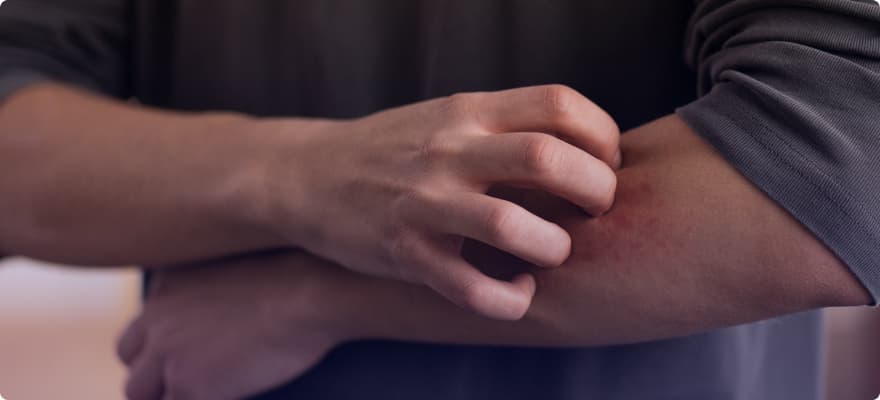


Ringworm is one of the most prevalent fungal skin infections affecting people across the globe — and India in particular. Despite its name, ringworm is not caused by a worm. It is a dermatophyte infection, medically referred to as tinea, that produces the characteristic pinkish-red, circular, itchy lesion on the skin. An estimated 20–25% of the global population is affected by superficial fungal infections. Globally, fungal skin infections are estimated to affect more than 650 million people at any time, and of these, ringworm accounts for the majority of fungala skin infections. In India, reported prevalence rates range from 6.09% to as high as 61.5% depending on region and study methodology, reflecting the country’s warm, humid climate that is conducive to fungal proliferation.
Understanding how to treat ringworm at home promptly and correctly is essential to prevent the infection from spreading to family members, pets, or colleagues. The good news is that for most cases of ringworm on the body (tinea corporis), ringworm treatment at home is both practical and effective when the right steps are followed.
Step 1: Confirm the Infection
Before commencing any ringworm treatment, it is important to correctly identify the infection. Ringworm typically presents as a ring-shaped, reddish lesion with a clearer centre, accompanied by itching, flaking, and mild swelling at the border. As noted by Mankind Pharma — one of India’s leading pharmaceutical companies — ringworm is characterised by “a pinkish red circular lesion which is itchy in nature” and is commonly contracted from infected humans or animals.
If the rash does not resemble a ring-shaped pattern, or if it is located on the scalp or nails, a dermatologist consultation is strongly advised before proceeding with home treatment.
Step 2: Clean and Dry the Affected Area
Proper hygiene is the foundation of effective ringworm treatment. Gently wash the infected area with mild soap and lukewarm water, then pat it thoroughly dry with a clean towel. Moisture accelerates fungal growth — keeping the skin dry is, therefore, a non-negotiable component of recovery.
Avoid sharing towels, clothing, or personal items during the treatment period, as ringworm is highly contagious and transmissible through direct contact with contaminated surfaces.
Step 3: Apply a Topical Antifungal Product
This is the most critical step in how to treat ringworm at home. Over-the-counter (OTC) antifungal ointments, creams, and lotions are the first line of defence for skin-based ringworm. Mankind Pharma’s Ring-Out, an OTC antifungal ointment, is formulated specifically to eliminate ringworm infections. It is a trusted, accessible product available without a prescription and is widely used across India for this purpose.
Common active antifungal ingredients include clotrimazole, miconazole, and terbinafine. Apply a thin layer of the antifungal product to the affected area and the surrounding skin — typically extending about 2–3 centimetres beyond the visible border of the rash. This ensures the fungus is addressed even where it may not yet be visibly apparent.
According to the CDC, antifungal creams, ointments, and lotions should be applied to the skin consistently for 2 to 4 weeks. The American Academy of Dermatology states that most skin ringworm infections respond well to antifungal treatment when used correctly, but completing the full course is essential even if symptoms appear to resolve earlier. Stopping treatment prematurely remains one of the most common reasons for recurrence.
Step 4: Maintain Consistent Application
Apply the antifungal product twice daily, or as directed on the product label. Consistency is the key differentiator between successful and unsuccessful ringworm treatment. It is advisable to set a routine, for example, after bathing in the morning and before sleeping at night, to ensure no doses are missed over the 2–4 week treatment window.
Mankind Pharma notes that ringworm infections typically take 2 to 4 weeks to heal with appropriate treatment. During this period, the ring-shaped lesion will gradually fade, the itching will reduce, and the skin will begin to return to its normal appearance.
Step 5: Wear Loose, Breathable Clothing
Tight clothing traps moisture and friction, both of which impede the healing of ringworm. Opt for loose-fitting, breathable cotton garments over the affected area throughout the treatment period. Avoid bandaging or covering the rash with an occlusive dressing, as this traps moisture and slows healing.
Wash all clothing, bed linen, and towels that have come into contact with the infected skin on a daily basis using hot water. Fungal spores can survive on fabric and reinfect the skin if linens are not changed regularly.
Step 6: Practise Preventive Hygiene
Preventing the spread of ringworm to others in the household — and preventing reinfection in yourself — requires a few additional hygiene measures. Wash your hands thoroughly after applying the antifungal product. Avoid scratching the rash, as this can transfer fungal spores to other areas of the body or to surfaces. Disinfect bathroom floors and shared surfaces regularly.
Ringworm is commonly contracted from infected humans or animals. If a pet at home is showing signs of hair loss or circular skin lesions, consult a veterinarian promptly, as animals are a well-documented reservoir for dermatophyte transmission.
When to See a Doctor
Home ringworm treatment is effective for the majority of skin-based tinea cases. However, professional medical consultation is warranted in the following situations:
- The rash does not improve after two weeks of consistent OTC treatment
- The infection has spread extensively across the body
- The scalp, beard area, or nails are involved
- The patient is immunocompromised, diabetic, or a young child
In such cases, a doctor may prescribe oral antifungal medication. Importantly, the CDC warns against using OTC steroid creams on ringworm, as corticosteroids can worsen the infection by suppressing local immune response.
Ringworm, while common and uncomfortable, is a highly treatable condition when addressed promptly and correctly. By following this step-by-step guide — identifying the infection, maintaining hygiene, applying a trusted OTC antifungal such as Mankind Pharma’s Ring-Out, and completing the full course of treatment — most individuals can successfully eliminate the infection at home within 2 to 4 weeks. The key lies in consistency, cleanliness, and knowing when to escalate care to a qualified healthcare professional.
FAQs – Ringworm
THE BASICS
Is ringworm actually caused by a worm?
No. Despite the name, ringworm has nothing to do with worms. It is a fungal infection caused by a group of fungi called dermatophytes. The name comes from the ring-shaped, circular rash it produces on the skin.
What does ringworm look like?
Ringworm typically appears as a pinkish-red, ring-shaped patch on the skin with a clearer centre and a raised, scaly border. It is usually itchy. The ring can grow outward over time if left untreated.
Where on the body can ringworm appear?
Ringworm can affect almost any part of the body. On the body it is called tinea corporis; on the scalp, tinea capitis; in the groin area, tinea cruris (also known as jock itch); and on the feet, tinea pedis (also known as athlete’s foot). Each location may look slightly different.
Is ringworm contagious?
Yes, ringworm is easily transmissible. It can spread through direct skin-to-skin contact with an infected person or animal, as well as through contaminated surfaces such as towels, bedsheets, clothing, floors, and gym equipment.
CAUSES & SPREAD
Can I get ringworm from my pet?
Yes. Cats, dogs, and other animals can carry the fungus and pass it on to humans through direct contact. If your pet has patches of missing fur or scaly skin, take it to a veterinarian, as it may be the source of a household ringworm outbreak.
Who is most at risk of getting ringworm?
Anyone can get ringworm, but children, people who sweat heavily, athletes, those who share communal facilities (like gyms or swimming pools), and individuals with weakened immune systems are at higher risk. In India, the warm and humid climate makes it particularly common.
Can ringworm spread to other parts of my own body?
Yes. Scratching the infected area and then touching another part of your body can spread the fungus. This is why it is important to wash your hands after applying any treatment and to avoid scratching the rash.
TREATMENT AT HOME
Can I treat ringworm at home without seeing a doctor?
For most cases of ringworm on the skin (body, feet, or groin), home treatment with an over-the-counter (OTC) antifungal ointment or cream is effective. Products such as Mankind Pharma’s Ring-Out ointment are specifically formulated for this purpose and are available without a prescription.
How long does ringworm take to heal?
With consistent use of an OTC antifungal treatment, most ringworm infections on the skin clear up within 2 to 4 weeks. It is important to complete the full treatment course even if the rash appears to have resolved, as stopping early is a common cause of reinfection.
How should I apply antifungal cream for ringworm?
Clean and dry the affected area first. Apply a thin layer of the antifungal cream or ointment to the rash and the surrounding skin, extending about 2–3 cm beyond the visible border. Apply twice daily, or as directed on the product packaging, for the full recommended duration.
Should I cover ringworm with a bandage?
No. Covering the rash with an occlusive bandage traps moisture, which actually helps the fungus thrive and slows the healing process. Keep the area clean, dry, and uncovered. Wear loose, breathable clothing over it instead.
Can ringworm come back after treatment?
Yes, ringworm can recur, particularly if treatment is stopped early, if the source of infection (such as a pet or a family member) is not addressed, or if you return to an environment where the fungus is present. Completing the full treatment course and maintaining good hygiene significantly reduces the risk of recurrence.
WHEN TO SEE A DOCTOR
When should I stop treating at home and see a doctor?
See a doctor if the rash does not improve after two weeks of consistent OTC treatment, if it is spreading rapidly, or if the scalp, nails, or beard area is affected. Scalp and nail ringworm almost always require prescription-strength oral antifungal medication. Also consult a doctor if you are diabetic, immunocompromised, pregnant, or treating a young child.
Are there any products I should avoid using on ringworm?
Yes. Do not apply steroid creams (corticosteroids) to ringworm. The CDC warns that steroids can suppress the local immune response and make the infection significantly worse. Only use antifungal products specifically formulated for fungal infections.
How do I stop ringworm from spreading to others at home?
Avoid sharing towels, clothing, bedsheets, or personal items. Wash all laundry that has come into contact with the infected area in hot water daily. Disinfect bathroom floors and shared surfaces regularly. Inform family members so they can monitor themselves for symptoms, and seek treatment promptly for any household pets showing skin changes.