
 Go Back Menu





 Close
Close
Anti-Infectives Explained: Types, Uses, and Role in Modern Medicine



Anti-infectives are a critical class of drugs used to prevent and treat infections caused by various pathogenic microorganisms. These drugs have revolutionized modern medicine by significantly reducing mortality and morbidity related to infectious diseases. Prominent among anti-infectives are antibiotics, antivirals, antifungals, and antiparasitic agents. This blog aims to explain the different types of anti-infectives, their uses, and their indispensable role in contemporary healthcare, with insights sourced from Mankind Pharma, a leading pharmaceutical company known for its extensive anti-infective portfolio.
Types of Anti-Infectives
Anti-infectives can be broadly classified into several categories based on the type of pathogen they target:
- Antibiotics: These are drugs used to combat bacterial infections. Antibiotics can be broad-spectrum or narrow-spectrum, targeting specific bacterial species or a wide range of bacteria. For example, Mankind Pharma’s antibiotic products such as Moxikind CV (Amoxicillin-Clavulanic Acid) are widely prescribed for respiratory, skin, and urinary tract infections.
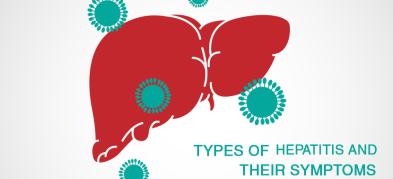
- Antiviral Drugs: These medications inhibit the replication of viruses within the body. They are designed to treat infections caused by viruses such as HIV, hepatitis B and C, influenza, and herpes viruses. Antiviral drugs block various stages of the viral lifecycle, including entry into the host cell and viral replication. For instance, contemporary antiviral therapies help manage chronic viral conditions and reduce the severity and duration of illnesses like influenza.
- Antifungal Agents: Used to treat fungal infections, these drugs act on fungal cell membranes or interfere with fungal growth processes.
- Antiparasitic Drugs: These target infections caused by parasitic organisms, including protozoa and helminths.
Mankind Pharma’s anti-infectives represent about 15% of its domestic sales portfolio, highlighting the significance of this drug class in its overall product offering. The company provides more than 500 pharmaceutical products covering various segments, including acute and chronic therapeutic areas, with a strong presence in anti-infectives.
Uses of Anti-Infective Drugs
The primary use of anti-infectives is to treat infectious diseases by eliminating or inhibiting the growth of pathogens. Such infections may affect multiple body systems, such as respiratory, urinary, gastrointestinal, skin, and soft tissues.
- Antibiotics are used to treat bacterial infections, including pneumonia, urinary tract infections, skin infections, and others. Proper use of antibiotics requires completing the entire prescribed course to prevent drug resistance and recurring infections.
- Antiviral drugs are critical in managing viral diseases, some of which do not have vaccines. Antivirals reduce symptom severity, shorten illness duration, and manage chronic viral infections such as HIV and hepatitis. For example, antiviral agents work by targeting viral enzymes or proteins essential for viral replication.
- Antifungal and antiparasitic drugs serve similarly targeted roles in controlling fungal and parasitic infections, respectively.
Role in Modern Medicine
Anti-infectives are foundational to modern medical practice. The discovery and use of antibiotics, for example, have dramatically transformed healthcare, enabling the effective treatment of bacterial infections that were once often fatal. According to health experts, antibiotics are a cornerstone that supports virtually all medical treatments, including surgeries, cancer therapies, and care for immunocompromised patients.
Antiviral drugs, similarly, have become indispensable in managing viral infections, especially chronic ones, and in responding to viral outbreaks. They help contain the spread and impact of viruses, maintaining public health safety.
The innovation capacity of pharmaceutical companies like Mankind Pharma continues to expand this critical drug class. With over 730 scientists and multiple research centers, the company is at the forefront of developing advanced formulations and generics, aiming to meet the healthcare needs of India’s large rural population, and ensure access to affordable medicines.
Anti-infectives, including antibiotic and antiviral drugs, remain essential pillars in combating infectious diseases and advancing modern medicine. Their continued innovation, responsible use, and accessibility are crucial to addressing both existing and emerging health challenges. As demonstrated by leading pharmaceutical companies like Mankind Pharma, expanding affordable and effective anti-infective therapies is key to improving global health outcomes and ensuring comprehensive medical care.
Designed by Freepik