

 Go Back Menu




 Close
Close
Anti-Diabetic Drugs Explained: Type 2 Diabetes Treatment Guide



Anti-diabetic drugs are medicines that help manage blood glucose levels, and they are central to effective type 2 diabetes management alongside lifestyle modification and regular monitoring. For patients and caregivers, understanding the anti-diabetic medication and their rational use is essential to achieving durable glycaemic control and preventing complications.
Type 2 diabetes and need for anti-diabetic therapy
Type 2 diabetes is a chronic metabolic disorder characterized by insulin resistance and progressive decline in pancreatic beta-cell function, leading to elevated blood glucose. More than 90% of people living with diabetes globally have type 2 diabetes, making it the predominant form of the disease. In 2024, an estimated 589 million adults worldwide were living with diabetes, with global diabetes-related health expenditure surpassing 1 trillion US dollars, highlighting the scale of the treatment need.
Lifestyle measures such as diet, physical activity, weight reduction, and smoking cessation form the foundation of therapy, but most type 2 diabetes patients require pharmacological treatment at some stage. Oral and injectable anti diabetic products are therefore used either as monotherapy or in combination regimens tailored to individual risk profiles, comorbidities, and glycaemic targets.
Major classes of antidiabetic drugs
Modern diabetes care uses several pharmacological classes, often in fixed-dose combinations to target different pathophysiological defects. Key categories include:
- Biguanides (e.g., metformin), which reduce hepatic glucose output and improve insulin sensitivity and remain first-line in most guidelines.
- Sulfonylureas and related secretagogues (e.g., glimepiride, gliclazide, glibenclamide), which increase insulin release from pancreatic beta cells.
- Dipeptidyl peptidase-4 (DPP-4) inhibitors (e.g., teneligliptin, vildagliptin, linagliptin, sitagliptin), which help improve blood sugar levels by preventing the breakdown of GLP-1, a compound in your body. GLP-1 naturally reduces blood glucose levels,interfering with this process, DPP-4 inhibitors allow GLP-1 to remain active in your body longer, lowering blood sugar levels only when they’re elevated..
- Sodium–glucose co-transporter-2 (SGLT2) inhibitors (e.g., dapagliflozin, remogliflozin), which promote urinary glucose excretion.
Other important classes include thiazolidinediones such as pioglitazone, alpha-glucosidase inhibitors like voglibose, GLP-1 receptor agonists, and insulin, often reserved for more advanced disease or specific clinical scenarios.
How key antidiabetic drugs work
Within combination products, each component plays a distinct role in glucose control. For example, glimepiride increases insulin secretion from pancreatic beta cells, whereas metformin reduces hepatic glucose production, delays intestinal glucose absorption, and improves peripheral insulin sensitivity. This makes combinations of glimepiride and metformn effective for type 2 diabetes when monotherapy is insufficient.
Alpha-glucosidase inhibitors such as voglibose, used in triple combinations of glimepiride, metformin and voglibose, slow carbohydrate digestion and blunt postprandial glucose excursions, complementing insulin secretagogues and metformin. SGLT2 inhibitors such as dapagliflozin (in SGLTD and related brands) lower blood glucose by increasing urinary glucose excretion, with additional benefits on weight and blood pressure in many patients.
Innovation in anti-diabetic molecules at Mankind Pharma
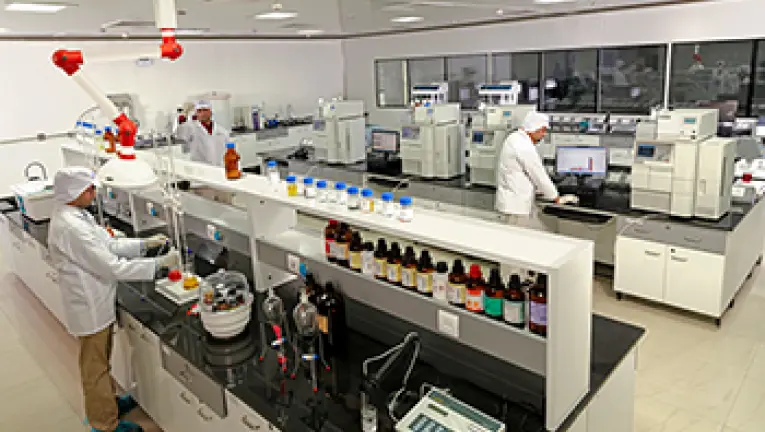
Beyond marketed brands, Mankind Pharma has invested in novel anti-diabetic drug discovery, exemplified by MKP10241, a proprietary oral GPR119 agonist developed at its research center. GPR119 is expressed in pancreatic beta cells and intestinal L cells; agonists can increase intracellular cAMP, enhance glucose-dependent insulin and GLP-1 secretion, and thereby lower plasma glucose without significant hypoglycaemia risk in preclinical models. MKP10241 has shown reductions in blood glucose and glycated haemoglobin in experimental type 2 diabetes models and is protected by global patents until 2037, indicating a long-term innovation strategy in the antidiabetic segment.
In addition, the launch of Dynaglipt (teneligliptin) as an affordable gliptin targeting middle-class and rural populations demonstrates how product strategy can align clinical benefits with cost-sensitive markets.
Global and Indian market context for antidiabetic drugs
The burden of diabetes continues to increase worldwide, with projections suggesting that the number of adults living with diabetes may reach over 850 million by 2050 if current trends persist. According to the latest IDF Diabetes Atlas data, diabetes caused about 3.4 million deaths in 2024, and roughly 43% of adults with diabetes are undiagnosed, underlining the importance of screening and timely initiation of therapy.
In India, the diabetes care drugs market is estimated to be worth around USD 1.7 billion in 2024, with a moderate projected growth rate as prevalence rises and treatment coverage expands. Within this landscape, companies such as Mankind Pharma, with more than 500 products across acute and chronic segments, are key suppliers of anti-diabetic drugs that support both primary care physicians and specialists in managing type 2 diabetes.
Monitoring and management of type 2 diabetes
Regular monitoring of fasting and postprandial blood glucose elevels, along with periodic HbA1c testing, is necessary to assess response and adjust therapy, while ongoing education on diet, physical activity, and adherence remains crucial for long-term control. Patients should only use prescription antidiabetic drugs under medical supervision and report symptoms such as recurrent hypoglycaemia, sudden weight changes, or signs of complications promptly to their healthcare team.
Designed by Freepik