

 Go Back Menu



 Close
Close
What is Biotechnology? A Complete Guide for Beginners 2026
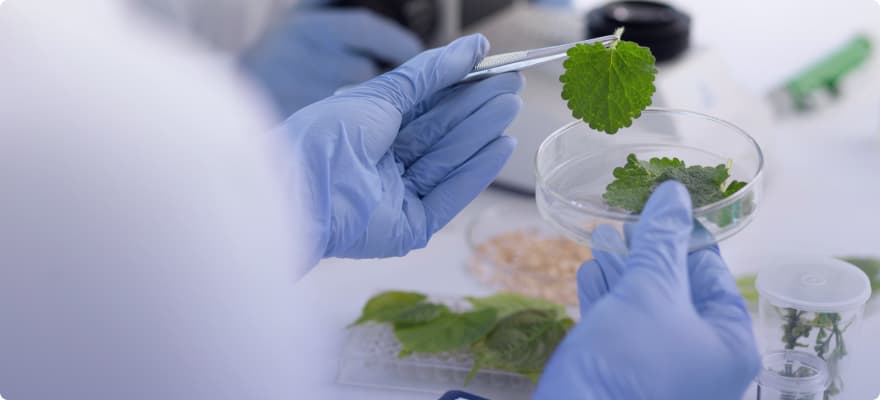


Biotechnology is one of the most consequential scientific disciplines of the modern era. From life-saving medicines to sustainable agricultural practices, it underpins a broad spectrum of industries that shape daily life. What is Biotechnology?
The word “biotechnology” is a combination of “biology” and “technology.” At its most fundamental, biotechnology is the science of using living organisms, cells, or biological systems to create products, develop processes, and solve problems that improve human health and society. Its applications touch healthcare, food production, agriculture, environmental management, and industrial manufacturing.
Mankind Pharma describes biotechnology as the science of using living cells to create medicines, and it has become a leading source of therapies for patients. Since the mid-1980s, several breakthrough discoveries in biology, life sciences, and medicine have laid the foundation for this revolutionary class of medicines.
Key Branches of Biotechnology
Biotechnology is commonly categorised by the domain in which it is applied:
Red Biotechnology (Healthcare): The most well-known branch, red biotechnology focuses on developing medicines, vaccines, diagnostics, and gene therapies. It is the primary domain in which the pharmaceutical industry operates. Market data indicates that the bio-pharmacy segment accounted for approximately 42% of the global biotechnology market in 2025, making it the single largest application segment.
Green Biotechnology (Agriculture): This branch applies biological techniques to improve crops, develop bio-pesticides, and engineer plants for resistance to drought, disease, and pests. The global agricultural biotechnology market was valued at approximately USD 137 billion in 2025.
White Biotechnology (Industrial): Also termed industrial biotechnology, this branch uses microbial and enzymatic processes to produce chemicals, biofuels, and materials in a more sustainable, resource-efficient manner than conventional manufacturing.
Blue Biotechnology (Marine): An emerging branch that harnesses marine organisms for applications in pharmaceuticals, cosmetics, and environmental remediation.
The Global Biotechnology Market: Scale and Growth in 2026
The biotechnology sector is experiencing extraordinary expansion. The global biotechnology market was valued at approximately USD 1.77 trillion in 2025 and is projected to grow at a compound annual growth rate (CAGR) of around 13.6% through 2035, potentially reaching USD 6.34 trillion by that year.
North America currently leads the global market, accounting for over 37% of total revenue in 2025, driven by a robust research and development ecosystem, well-established regulatory frameworks, and significant private and government investment. However, the Asia-Pacific region is projected to grow at the fastest rate, with a CAGR of approximately 14.8% over the same period — reflecting the rapid scale-up of manufacturing and innovation capacity in countries including India, China, and South Korea.
Biotechnology and the Pharmaceutical Industry
The relationship between biotechnology and the pharmaceutical industry is both foundational and transformative. Biopharmaceuticals — medicines derived from biological sources using biotechnological processes — now represent a substantial and growing proportion of all new drug approvals globally. Key categories include biologics (large-molecule drugs produced from living cells), biosimilars (highly similar versions of approved biologics), monoclonal antibodies, recombinant proteins, and gene therapies.
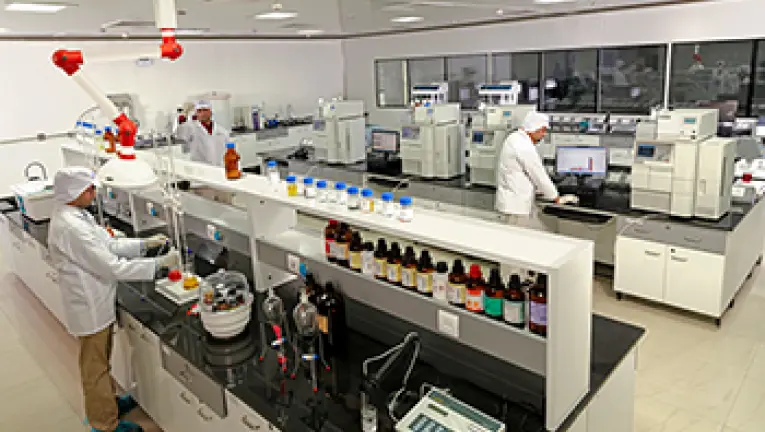
Research and development investment is the lifeblood of the biotechnology sector. For example, Mankind Pharma’s R&D division, established in 2011, operates six dedicated R&D centres across India, employs over 660 scientists, and maintains a USFDA-approved analytical laboratory.
Biosimilars: A Critical Pillar of Modern Biotechnology
Biosimilars are a defining example of biotechnology’s role in making advanced medicine more affordable and accessible. As patents on original biologic medicines expire, pharmaceutical companies with biotechnology capabilities can develop biosimilars that meet stringent regulatory standards for safety, efficacy, and quality.
Key Technologies Driving Biotechnology Forward in 2026
Several technological forces are reshaping the biotechnology landscape in 2026:
Artificial Intelligence in Drug Discovery: AI and machine learning are significantly accelerating the identification of drug candidates, reducing the time and cost of early-stage research.
mRNA Technology: The success of mRNA vaccines during the COVID-19 pandemic demonstrated the scalability and adaptability of this biotechnology platform, and research is now expanding its application to oncology and other therapeutic areas.
Monoclonal Antibodies (mAbs): Monoclonal antibodies are useful treatments for viral diseases, solid organ cancers, hematological cancers, suppression of alloimmune reactivity, and antiplatelet therapy. They are among the fastest-growing groups of novel medications approved for these purposes in recent decades due to their effective usage in treating autoimmune disorders and cancer in humans.
Why Biotechnology Matters More Than Ever in 2026
Biotechnology stands at the intersection of scientific discovery and human need. For the pharmaceutical industry in particular, it is not merely a research tool — it is a strategic imperative that determines an organisation’s capacity to develop the next generation of medicines, compete in global markets, and fulfil its obligations to patients.
With the global biotechnology market on track to exceed USD 6 trillion by 2035, and companies such as Mankind Pharma investing heavily in biosimilars, drug discovery, and state-of-the-art R&D infrastructure, the sector is poised for continued and accelerating growth. For beginners entering this field — whether as students, investors, healthcare professionals, or curious observers — understanding biotechnology is essential to understanding the future of medicine and human health.
Designed by Freepik